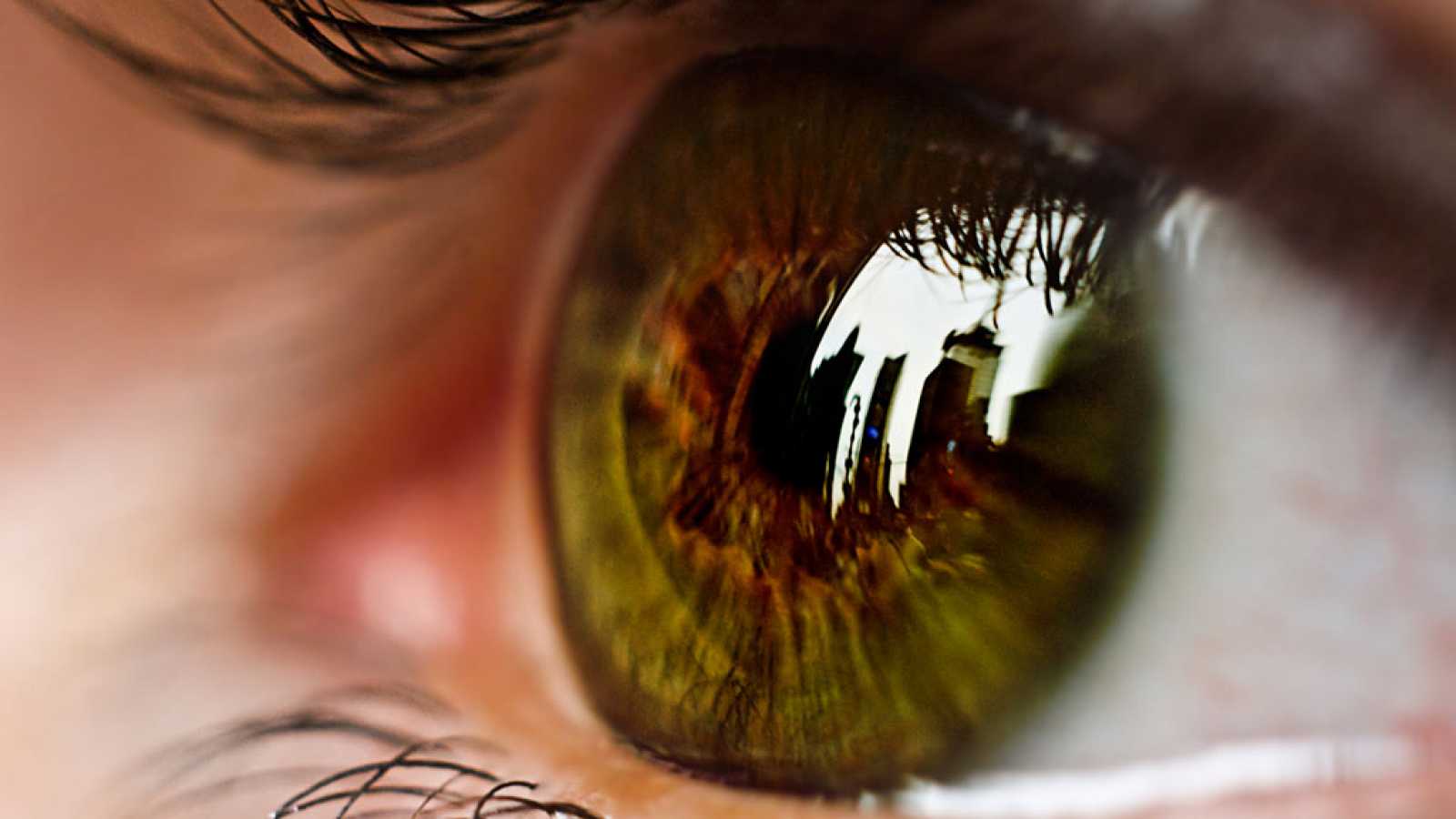

Retinitis pigmentosa is a disease of the retina that produces a progressive loss of vision that can cause blindness. Generally the affectation is bilateral, so the two eyes are affected. Retinitis pigmentosa is the most frequent cause of hereditary degeneration of the retina and also the most common cause of blindness of genetic origin in adults.
It is slightly more frequent in men (around 60% of those affected are males) and there do not seem to be differences between races. Although it is a disease present at birth, it is rare that it manifests before adolescence, doing so slowly and progressively, so that it is not usually discovered until it is quite advanced.
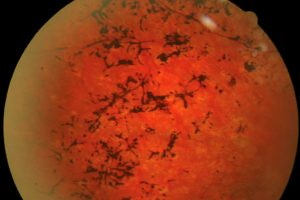 Retinitis pigmentosa are degenerative diseases that affect the eye and are characterized by producing a slow and progressive loss of vision. The part of the eyeball most affected is the retina, which is the layer that covers the inside of the eye and is responsible for acquiring and processing images from the outside, convert them into nerve impulses, and send these to the brain through the optic nerve.
The most frequent symptoms are night blindness, limited field of vision with loss of peripheral (lateral) vision and glare. Over time, blindness may occur.
People with retinitis pigmentosa may have other vision disorders such as myopia, astigmatism, cataracts, glaucoma or alterations of the cornea.
Retinitis pigmentosa may be associated with syndromes that also affect other parts of the body. The most frequent are degenerative diseases of the central nervous system (formed by the brain and spinal cord), of the muscles, and metabolic alterations. Some of the most frequent associations are the so-called Usher syndrome, where retinitis pigmentosa is linked to deafness and Bardet-Biedl syndrome, where it appears associated with obesity, low IQ, more than five fingers (polydactyly) and small genitals ( hypogonadism).
Always take care of your health with a unique and efficient service. Visit Pharmamedic.