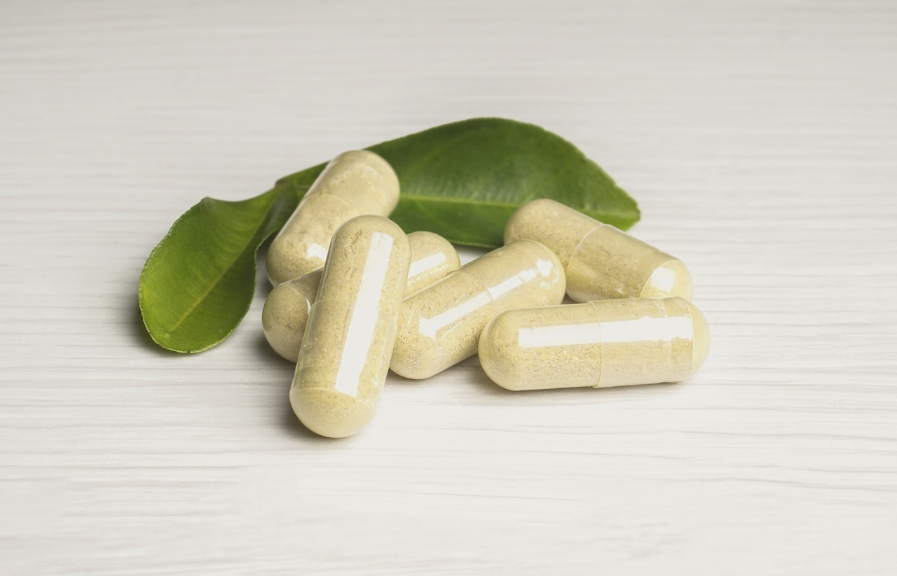

What Is Berberine? Benefits, Effects on Blood Sugar and Cholesterol, and How to Take It
Discover what berberine is, what it is used for, its potential benefits for blood sugar and cholesterol, how to take it, possible side effects, and what scientific research says.
What Is Berberine?
In recent years, berberine has become one of the most searched natural supplements on Google. More and more people are looking for information about its potential benefits for metabolism, blood sugar control, cholesterol levels, and overall well-being.
Berberine is a natural compound belonging to the family of plant alkaloids. It is mainly extracted from plants such as:
- Berberis aristata
- Berberis vulgaris
- Coptis chinensis
- Hydrastis canadensis
It has been used for centuries in traditional Asian medicine and is now the subject of numerous scientific studies.
What Is Berberine Used For?
Berberine is primarily known for its role in supporting metabolism.
Scientific research has highlighted its potential relevance in:
- Sugar metabolism
- Fat metabolism
- Cholesterol management
- Metabolic balance
- Cardiovascular well-being
For this reason, it has become one of the most sought-after natural supplements among people looking to improve their lifestyle and overall health.
Berberine and Blood Sugar
Why Is Blood Sugar Such a Popular Topic?
Blood sugar refers to the amount of glucose present in the bloodstream.
A sedentary lifestyle, a diet rich in sugars, and aging can all influence glucose metabolism. Berberine has been studied for its ability to interact with certain mechanisms involved in energy metabolism.
Many studies have observed an interaction with the AMPK enzyme, often referred to as the body’s “energy sensor.”
Activation of this system may promote a more efficient use of energy within the body.
Who Searches for Berberine?
Online searches frequently include:
- Berberine blood sugar
- Berberine diabetes
- Berberine insulin
- Berberine insulin resistance
It is important to remember that dietary supplements are not a substitute for prescribed medications and should not be used to diagnose, treat, or cure diseases.
Berberine and Cholesterol
Another reason for berberine’s popularity is its potential role in lipid metabolism.
People interested in this nutraceutical are often looking for information about:
- Total cholesterol
- LDL cholesterol
- Triglycerides
- Cardiovascular health
Scientific research has reported interesting effects on metabolic parameters associated with cardiovascular well-being when berberine is combined with a healthy lifestyle.
Berberine and Weight Management
Does Berberine Help You Lose Weight?
This is one of the most common questions asked online.
The correct answer is that no supplement can replace a healthy diet and regular physical activity.
However, berberine is often included in weight-management programs because it may support energy metabolism. For this reason, it is frequently used as part of metabolic wellness strategies.
Most Searched Benefits of Berberine
Metabolic Support
It may help maintain proper energy metabolism.
Cardiovascular Wellness
It is often used as a supportive element in heart-health-focused programs.
Blood Sugar Management
Many studies have examined its role in glucose metabolism.
Metabolic Balance
It is frequently chosen by individuals seeking to improve their lifestyle and overall well-being.
How to Take Berberine
The appropriate amount may vary depending on the product and the manufacturer’s recommendations.
In general:
- Always follow the instructions on the label.
- Take the product according to the recommended directions.
- Consult your doctor if you are taking medications.
How Long Does It Take to Work?
One of the most frequently asked questions is:
“How long does it take to see results?”
The answer depends on several factors, including:
- Diet
- Physical activity
- Age
- Individual conditions
- Consistency of use
Dietary supplements generally require consistent use and do not produce immediate results.
Possible Side Effects of Berberine
Berberine is generally well tolerated when used according to recommendations.
However, some individuals may experience:
- Gastrointestinal discomfort
- Bloating
- Nausea
- Changes in bowel habits
If you are taking medications, it is always advisable to consult your healthcare provider.
Who Should Consult a Doctor Before Taking Berberine?
Before using berberine, it is recommended to seek medical advice if:
- You are taking prescription medications.
- You have chronic health conditions.
- You are pregnant.
- You are breastfeeding.
What Does Scientific Research Say?
In recent years, numerous studies have been published on berberine.
The scientific community’s interest mainly focuses on:
- Glucose metabolism
- Lipid metabolism
- Energy balance
- Cardiovascular health
The growing number of publications demonstrates how this nutraceutical has become one of the most studied natural compounds worldwide.
Testimonial
“I started researching berberine because I was looking for a natural supplement to complement my lifestyle. After improving my diet and increasing my physical activity, I discussed it with my doctor and decided to include it in my daily routine.”
Frequently Asked Questions
Is Berberine Natural?
Yes. Berberine is a naturally occurring compound found in several plant species.
Is Berberine a Vitamin?
No. Berberine belongs to the category of plant alkaloids.
Can Berberine Be Taken Every Day?
You should follow the directions provided on the product label and any recommendations from your healthcare provider.
Can Berberine Replace a Healthy Diet?
No. No supplement can replace a balanced diet and a healthy lifestyle.
Are Berberine and Cholesterol Related?
Many people use berberine as part of programs focused on metabolic and cardiovascular well-being.
Conclusion
Berberine is one of the most interesting and extensively studied nutraceuticals of recent years.
Public interest continues to grow due to the many studies examining its role in energy metabolism, blood sugar management, and cardiovascular wellness.
As with any dietary supplement, it is essential to maintain a healthy lifestyle, follow a balanced diet, and consult a healthcare professional if you have questions or specific health conditions.
Discover Introsalus Berberine
If you would like to learn more about nutraceuticals and supplements designed to support metabolic wellness, explore the Introsalus catalog and discover products developed to promote a healthy and conscious lifestyle.
Sources
National Institutes of Health (NIH)
PubMed
European Food Safety Authority (EFSA)
National Center for Biotechnology Information (NCBI)